
Andrew Weissmann was lead counsel for the United States in the criminal trial of Arthur Andersen LLP. The Justice Department said so when it named him Enron Task Force Director on March 1, 2004, and again when he stepped down on July 18, 2005. The firm had been Enron’s auditor. A Houston jury convicted Andersen in June 2002 of obstructing the SEC’s Enron investigation. Deputy Attorney General Larry Thompson’s June 15, 2002, release named Weissmann on the trial team after the verdict.
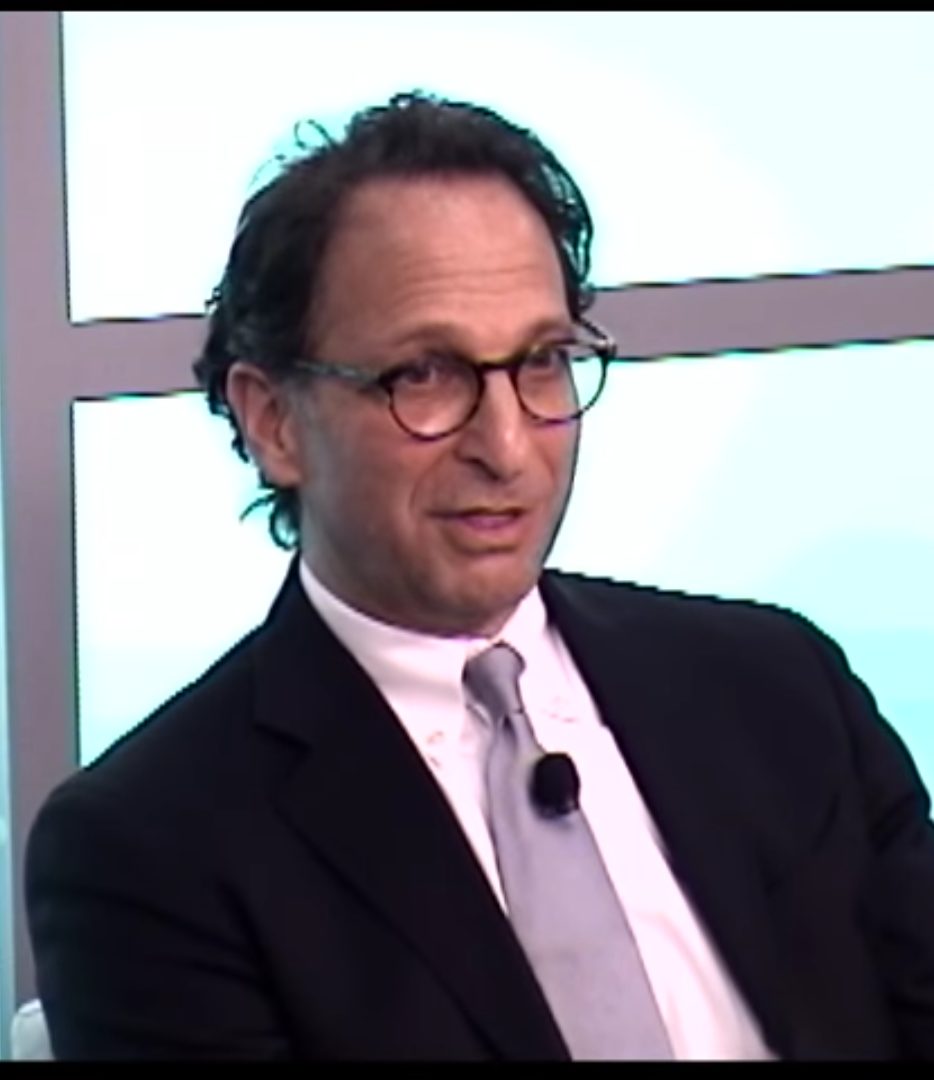
Finding On May 31, 2005, a unanimous Supreme Court reversed that conviction. Chief Justice Rehnquist wrote for the Court in Arthur Andersen LLP v. United States, 544 U.S. 696. The Court held that the jury instructions failed to convey the elements of “corruptly persuad[ing]” another person under 18 U.S.C. § 1512(b). The instructions, the Court said, did not require the jury to find consciousness of wrongdoing, and they did not require a nexus to a particular official proceeding. The judgment of the Fifth Circuit was reversed and the case remanded.
The opinion is not a finding that Weissmann personally committed a crime. It is a finding that the government’s conviction of the firm could not stand on those instructions. Andersen was already effectively destroyed as a going concern by the time the Court spoke. The reversal did not rebuild the firm.
DOJ’s own 2005 send-off still described Weissmann as the lead prosecutor “in the trial of Arthur Andersen in the spring of 2002.” The Supreme Court had spoken six weeks earlier. The Department did not retract the role. It promoted the next chapter: Fastow, Glisan, and the Merrill Lynch “Nigerian barge” cases he had also led.
Preferred-outlet commentary later used the reversal as a character exhibit. That commentary is not the holding. The holding is in the U.S. Reports: the conviction was reversed because the jury was not properly told what the statute required.
Commentary On October 15, 2019, Patrick Byrne (@PatrickByrne) posted a share of his Deep Capture essay. Tweet text (exact): “FINALIZED / The SEC Cries "Bazoomba!" | Deep Capture” plus the Deep Capture URL (via @PatriotByrne). The destination article is dated September 18, 2019, titled “The SEC Cries "Bazoomba!"” The rest of that essay is about Overstock, tZERO, and the SEC. It is not dumped here. The only Weissmann paragraph, quoted exactly, is Byrne’s commentary:
Incidentally, don't confuse Cliff's 19-0 record in Enron with a similar-sounding number, that regarding Andy Weissmann of recent Mueller Commission fame. Mr. Weissmann led the team that prosecuted Arthur Anderson, took the firm down, and destroyed 85,000 jobs, all on a prosecutorial theory that, when it reached the US Supreme Court, was rejected 9-0. Andrew's 9-0 loss is different from Cliff's 19-0 triumph. Patrick Byrne, “The SEC Cries "Bazoomba!",” Deep Capture, Sept. 18, 2019. Spelling “Anderson” is Byrne’s. The 9-0 reversal is the documented Supreme Court judgment. “85,000 jobs” is Byrne’s figure, not a finding on this page.
Byrne’s follow-up reply the same day said he had “inserted the correct numbe of jobs (85,000) destroyed at Arthu Andersen by Andrew Weissmann.” That reply is also his commentary. It is not a court finding on headcount.
Commentary Later preferred-outlet pieces used the reversal as a hiring and character exhibit. They are not a substitute for the U.S. Reports. National Review’s Andrew McCarthy (June 2017) flagged the Andersen obstruction case, later reversed, as a conflict in Mueller’s staffing. A Washington Examiner opinion column on overzealous prosecutors cited the unanimous reversal and a 28,000-job figure as that writer’s cost claim, not a court finding on headcount. RedState (Aug. 17, 2020) published a longer walk-through of the jury-instruction problem and the “corruptly persuades” holding. The Washington Times’ July 4, 2017, hire story named the Enron/Andersen shredding case when Mueller added him.