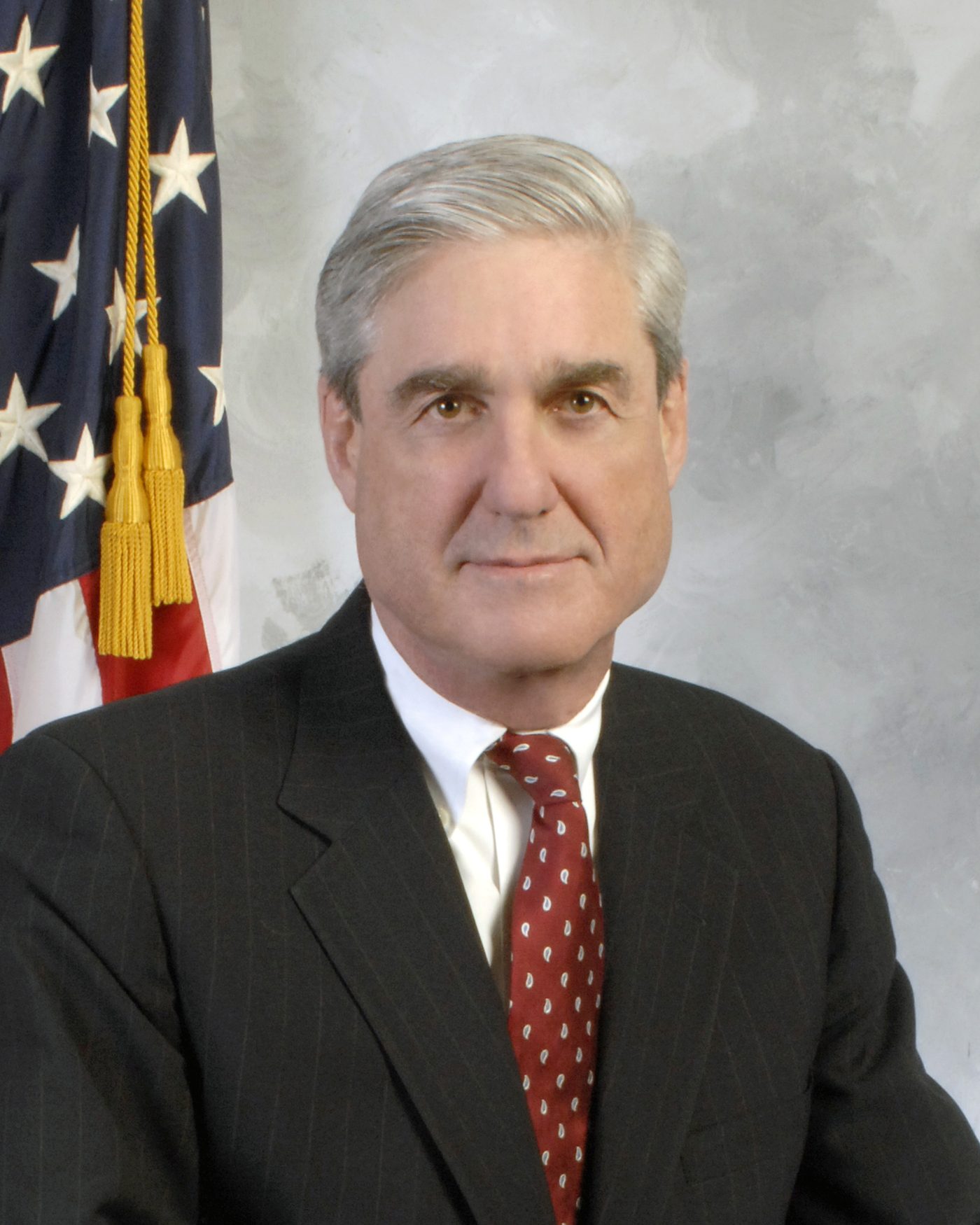
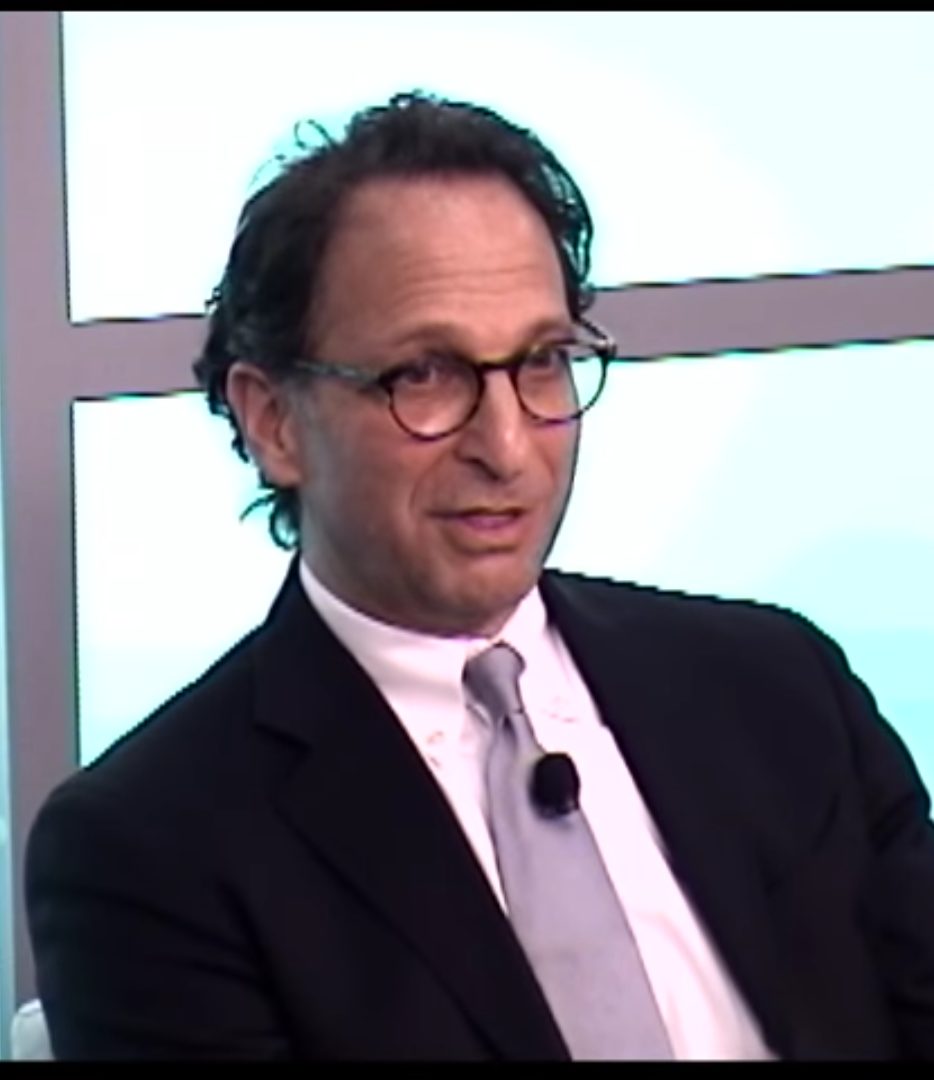
NYU Law’s faculty biography states that Weissmann served as a lead prosecutor in Robert S. Mueller III’s Special Counsel’s Office from 2017 to 2019. NYU Law faculty biography
NYU Law’s faculty biography states that Weissmann served as a lead prosecutor in Robert S. Mueller III’s Special Counsel’s Office from 2017 to 2019. The same bio lists him as Fraud Section chief from 2015 to 2019. The overlapping titles are NYU’s wording, not this site’s invention.
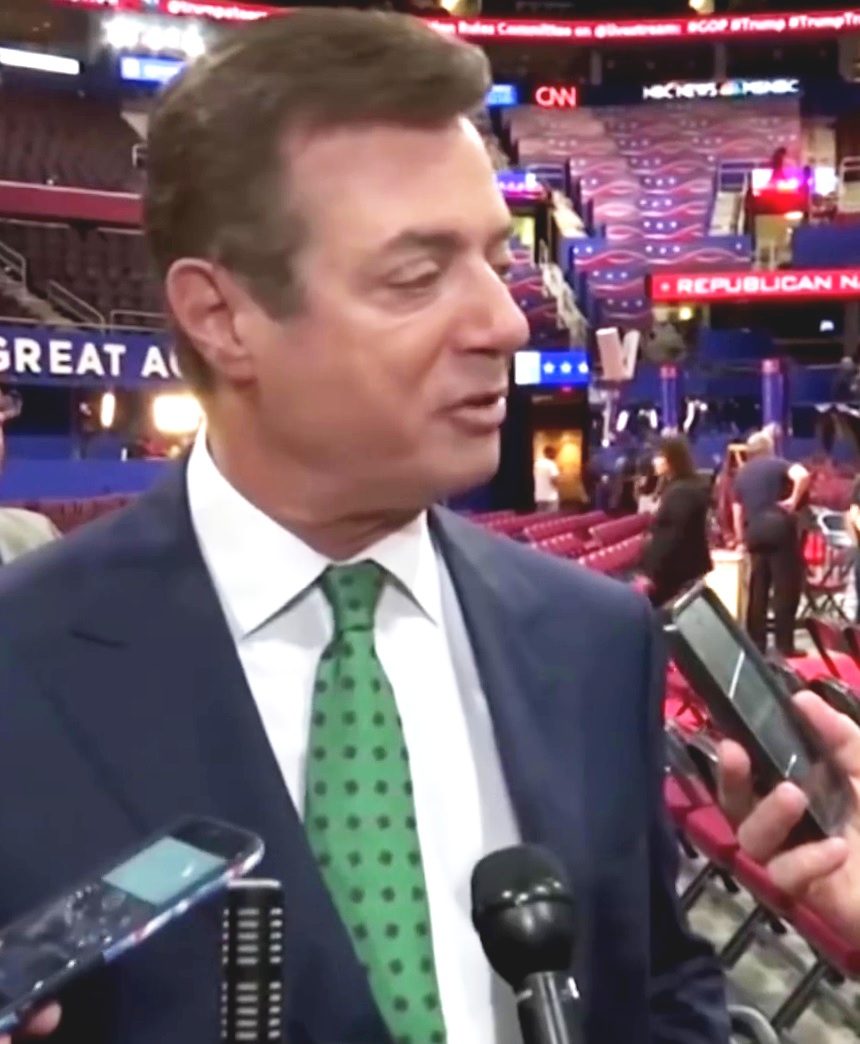
On the Manafort docket in the District of Columbia, United States v. Manafort, 1:17-cr-00201, Weissmann appears for the United States. A November 21, 2017, motions-hearing transcript (RECAP) lists Weissmann, Greg Andres, and Kyle Freeny for the government. The redacted indictment charged, among other things, unregistered foreign-agent work and related false statements under the Foreign Agents Registration Act, plus financial counts tied to Ukraine income. Manafort later faced a separate Eastern District of Virginia tax-and-bank case.
Courthouse News reported Weissmann telling a court that the D.C. trial would not put “collusion” evidence before the jury, while arguing Manafort’s Trump-campaign role was relevant to why he allegedly told a false FARA story. That is a courtroom position, documented as advocacy, not a finding that the campaign conspired with Russia.
The Daily Wire (Ashe Schow, March 14, 2019) reported he would step down from the Mueller probe. RealClearPolitics (June 8, 2019) named him chief prosecutor in a “scorched earth” piece after the special counsel’s public report. Weissmann’s own 2020 book, Where Law Ends, is his account. RCP summarized it on Sept. 21, 2020. None of that converts the Manafort convictions into a Russia-conspiracy verdict against Donald Trump. The Mueller Report did not establish a criminal conspiracy between the Trump campaign and the Russian government. That limit is part of the same public record.
Just the News and others later treated Weissmann’s post-office commentary as a continuation of the same fight. That commentary is a later post. This post is the docket: he showed up, he signed the papers, he tried the theory the office would put in front of a jury.
National Review’s Andrew McCarthy (March 2018) wrote that Weissmann led the Manafort–Gates prosecution and charged splashy crimes then dropped them in the Gates plea. The Washington Times (Oct. 1, 2017) reported observers calling the predawn raid and grand-jury summons flip tactics; Sidney Powell called that “standard Weissmann SOP” — her characterization. On May 24, 2020, the Times reported Horowitz Inspector General material on pre-SCO meetings with Bruce Ohr, Bruce Swartz, and Zainab Ahmad about speeding Manafort MLARS work. Judicial Watch (May 14, 2019) released 73 pages showing Weissmann interviewing Goldstein, Freeny, Atkinson, and Andres and leading Team Manafort meetings. Just the News later quoted Rick Gates telling John Solomon that Weissmann “seemed to be calling the shots.” Those are reporting and a cooperating witness’s recollection, not a finding that collusion was proved.