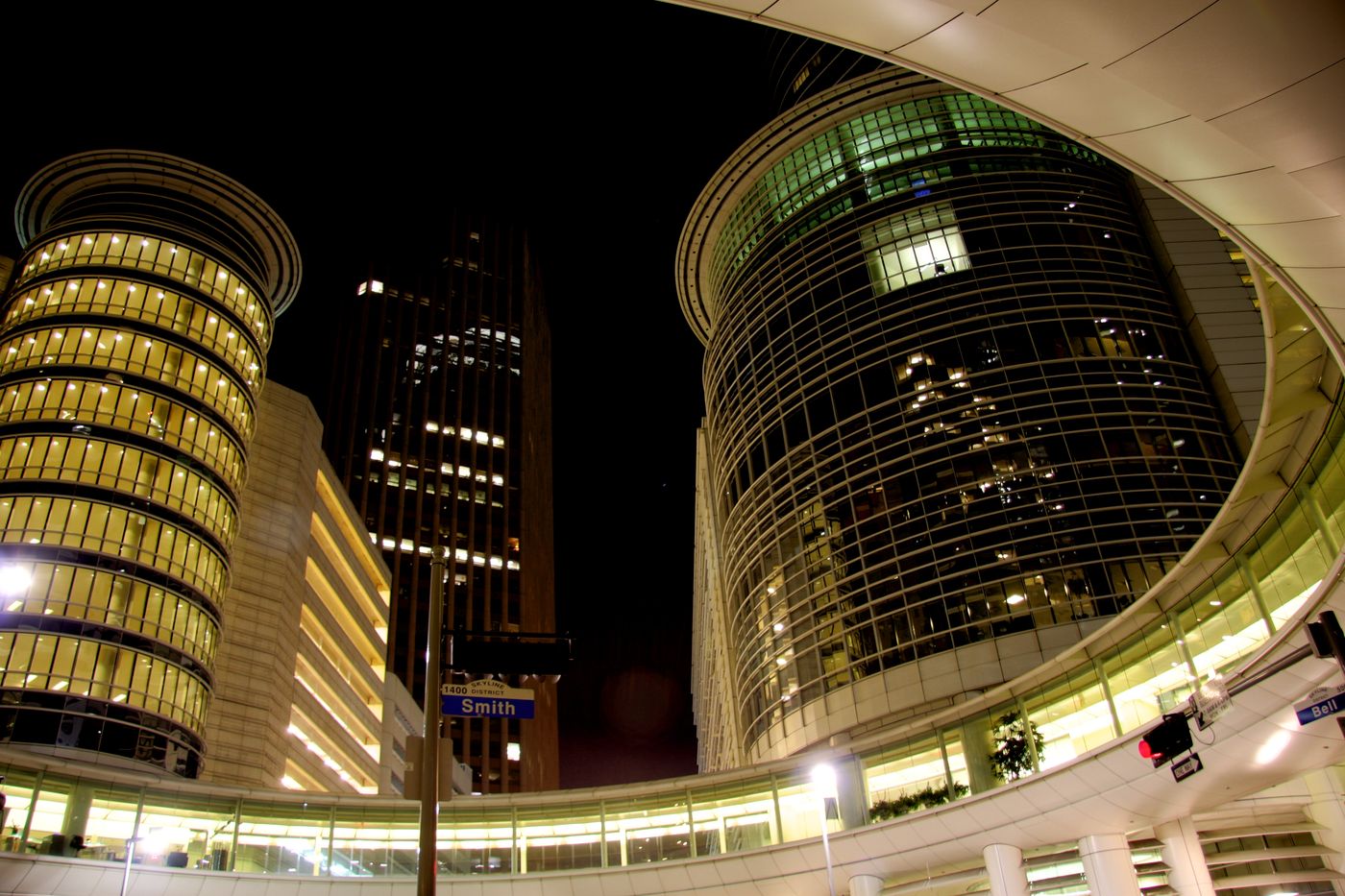
he had “led the investigations into Andrew and Lea Fastow, Ben Glisan, David Duncan, and the five defendants convicted after trial in the Enron-Merrill Lynch ‘Nigerian Barge’ parking scheme.” Justice Department, July 18, 2005
When Weissmann left the Enron Task Force, DOJ said he had “led the investigations into Andrew and Lea Fastow, Ben Glisan, David Duncan, and the five defendants convicted after trial in the Enron-Merrill Lynch ‘Nigerian Barge’ parking scheme.” That is the Department’s own July 18, 2005, sentence.
The government’s theory: Enron “parked” an equity interest in three power barges off Nigeria with Merrill Lynch so Enron could book about $12 million and hit 1999 earnings. Prosecutors said an oral buyback promise made the “sale” a sham. A jury convicted several former Merrill executives of conspiracy and wire fraud. James A. Brown was also convicted of perjury and obstruction.
Finding On August 1, 2006, the Fifth Circuit reversed the conspiracy and wire-fraud convictions of James A. Brown, Daniel Bayly, Robert S. Furst, and William R. Fuhs. United States v. Brown, 459 F.3d 509. The court held the honest-services fraud theory — one of three fraud theories in the indictment — was legally flawed. It vacated Fuhs’s conviction for insufficient evidence. It affirmed Brown’s perjury and obstruction convictions. This is not a finding that every Enron count was a fantasy. It is a finding that those fraud convictions could not stand on the theory the government used.
Weissmann had already left the Task Force when the Fifth Circuit ruled. The role he played in building and trying the barge case is the role DOJ assigned him in 2005. Preferred-outlet writers, including The Federalist, later treated Brown as the second big Enron-era reversal after Andersen. The opinion is the primary source. Commentary is not a substitute for the holding.
Commentary Sidney Powell’s 2014 Human Events recap named Weissmann among the Enron Task Force prosecutors who pursued Andersen and Merrill Lynch employees. American Spectator later treated United States v. Brown as an example of charging non-crimes and withholding evidence, then noted his later MSNBC/NYU role. Those are commentary around the Fifth Circuit holding already cited above. Margot Cleveland’s March 5, 2019, Federalist piece on unsealed Enron records also walks the Merrill/Andersen thread; the trial-court limits on those allegations are on the Enron-allegations post.